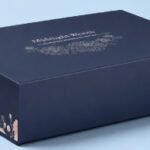
You’ve spent months perfecting your product. The formula is right, the design is locked, and you’re finally ready to put it in front of customers. But the moment someone picks up your box, all of that work either gets confirmed or questioned in a split second. That single touch, before the lid is even lifted, tells them whether your product is worth their money. This is why finishing options on printed rigid boxes carry so much weight. A well finished box builds trust, signals quality, and makes everything inside feel worth every penny. Whether you sell cosmetics, jewelry, electronics, or food gifts, the finish on your box shapes how people feel about your brand before they’ve seen a single thing inside it.
Finishing options are the surface treatments applied to a box after it has been printed and assembled. They change how a box looks, feels, and reacts to light. For brands investing in luxury packaging, these treatments are not optional extras. They are the difference between a printed rigid box that gets thrown away and one that gets kept, photographed, and shared. Every finishing choice you make sends a signal to your customer. A soft matte finish says calm and refined. A glossy coat says bold and confident. Getting this right means understanding what each option actually does and when to use it.
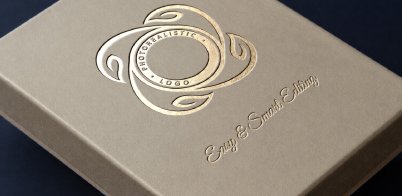
Foil stamping is one of the most recognized finishing techniques in premium packaging. It works by pressing a thin metallic film onto the surface of the box using heat and pressure. The result is a sharp, reflective design element that catches the eye from across a retail shelf. Gold and silver are the most common foil colors, but rose gold, copper, holographic, and matte foils are now widely used across custom rigid boxes in almost every product category. Foil works best on logos, brand names, and decorative borders. It creates an instant association with quality and gives any box a luxury product display effect that is hard to achieve through print alone.
Embossing raises a design element above the surface of the box. Debossing presses it inward. Both techniques add a tactile dimension to packaging that print simply cannot replicate. When a customer runs their finger over an embossed logo, they feel craftsmanship. This physical interaction builds an emotional response and deepens brand recall. For high-end retail boxes, combining embossing with foil stamping is a particularly powerful choice. The raised metallic design creates depth and luxury that photographs well and feels exceptional in hand. Debossing, on the other hand, gives a more subtle and refined look that works well for minimalist brands focused on clean, quiet confidence.
UV spot coating applies a high-gloss finish to specific areas of the box surface rather than covering the entire box. This selective shine draws the eye exactly where you want it. A matte box with a spot UV logo, for example, creates a striking contrast that makes the brand name pop without overwhelming the overall design. This technique is widely used across branded packaging for cosmetics, tech accessories, and gift packaging because it adds visual interest without adding visual clutter. UV spot coating also adds a layer of protection to the printed surface, making the box more durable and resistant to everyday handling. For brands that want a premium product presentation without going full glossy, UV spot is often the smartest choice.
Before any other finish is applied, most rigid boxes go through lamination. This process bonds a thin film to the outer surface of the box, providing a base that is smooth, consistent, and ready for further treatment. Matte lamination gives a soft, velvety feel that has become very popular in luxury box packaging across fashion and beauty. Gloss lamination produces a bright, mirror-like surface that makes colors appear more vivid and intense. Soft-touch lamination goes one step further, creating a surface that feels almost like skin and is strongly associated with high-end retail boxes in the perfume and skincare categories. The lamination choice sets the entire mood of the box before any additional finish is added.
Beyond the core techniques, several specialty finishes are gaining ground across the custom packaging industry. Glitter lamination adds sparkle for seasonal and gift-focused products. Velvet coating gives an ultra-soft texture that feels genuinely luxurious. Pearlescent finishes create a subtle color shifting effect that works well for beauty and wellness brands. Anti-scratch coating is a practical option for boxes that will go through retail handling. Each of these finishes serves a specific purpose and works best when chosen to match the product inside and the customer being targeted. Mixing finishes thoughtfully, rather than randomly, is what separates truly great packaging from packaging that simply looks busy.
The right finishing combination depends on three things: your product, your customer, and your budget. A jewelry brand targeting women over thirty will make very different choices than a tech startup targeting young professionals. Both may use printed rigid boxes, but the finishes that communicate quality to each audience are not the same. Before choosing, look at your competitors, look at the brands your customers already trust, and then find a way to stand out from both. Your packaging finish is a branding decision, not just a production decision. Treat it that way.
Every finish you choose for your packaging tells a story. Foil says luxury. Embossing says craftsmanship. UV spot says precision. Matte lamination says sophistication. When these elements work together, they create a luxury unboxing experience that customers remember, share, and return for. For any brand serious about standing out on shelf or online, investing in the right finishing options is one of the highest-return decisions you can make. Printed rigid boxes with thoughtfully chosen finishes do not just hold your product. They hold your brand’s entire first impression in the customer’s hands. Make that impression count every single time.
Foil stamping combined with matte lamination is the most popular choice because it balances premium feel with visual contrast that instantly communicates quality to customers.
Yes, UV spot coating adds a hard protective layer over printed areas, making the surface more resistant to scratching, moisture, and general wear during retail handling.
Absolutely. Combining both techniques creates a raised metallic effect called foil embossing, which is widely used in high-end retail and gift packaging for maximum visual impact.
Soft-touch lamination costs slightly more than standard matte, but the premium tactile experience it delivers makes it a worthwhile investment for brands targeting high-end customers.
Gloss lamination with anti-scratch coating works best for retail environments because it keeps colors vivid while protecting the surface from handling damage over time.